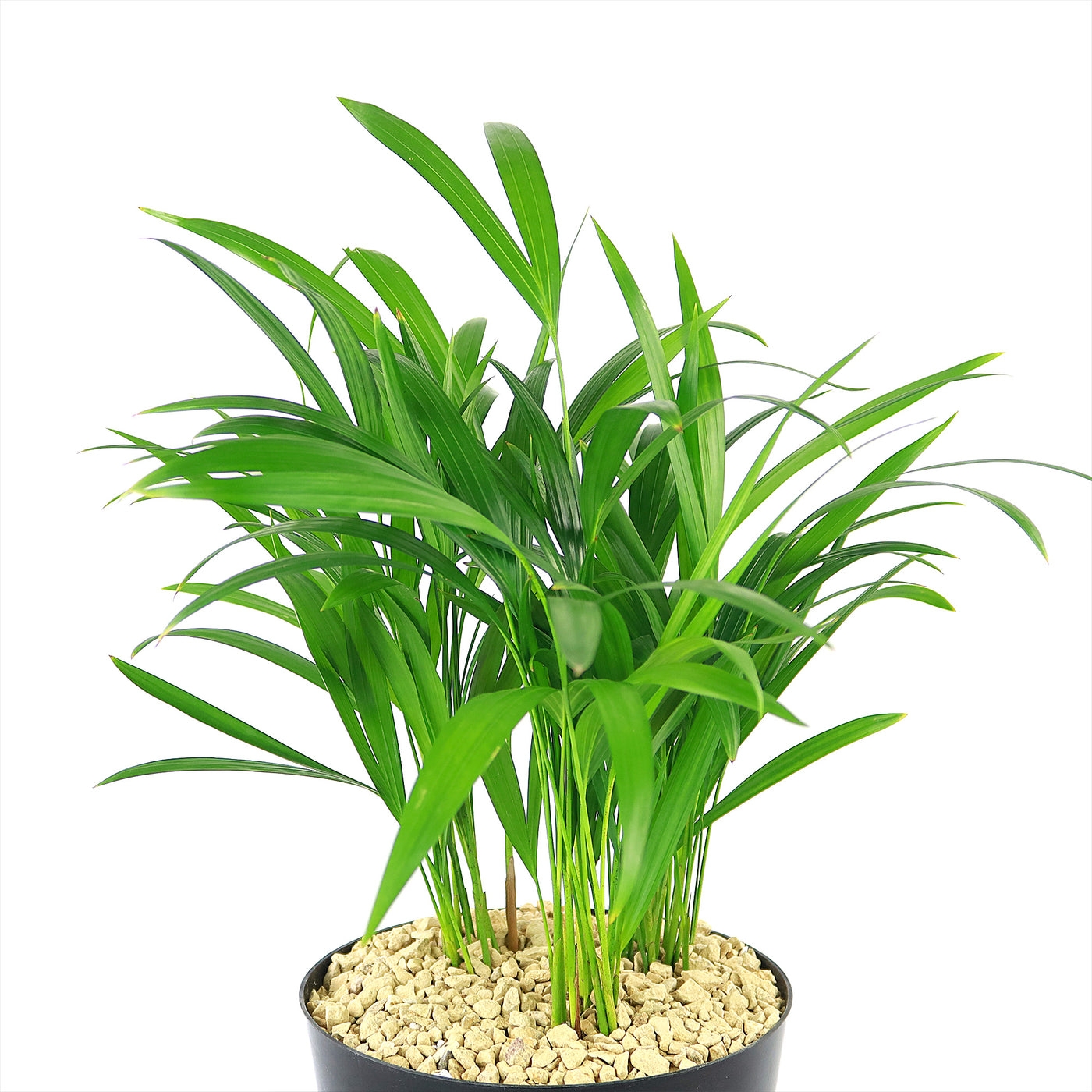
areca palm ki dekhbhal Shop 'Areca Palm – Dypsis lutescens' Care & Growing Guide
SKU: 13690937242
areca palm ki dekhbhal

areca palm ki dekhbhal Shop 'Areca Palm – Dypsis lutescens' Care & Growing Guide

Sale price$26.52 Regular price$29.47
Save 10%

Shipping Estimate
USA
  • USA
  • CAN

Ships within 48 hours · Estimated delivery Jul 8 - Jul 13

Promo Codes Available:

For Your Every Summer RSVP, with Code: SUMMER15

Description

areca palm ki dekhbhal Shop 'Areca Palm – Dypsis lutescens' Care & Growing GuideKey Highlights Areca Palm Tree Areca Palm grows in dense clumps, with multiple smooth, golden yellow stems emerging from the base and narrow fronds like bamboo leaves, creating a full and bushy appearance. Recognized by NASA, this palm removes toxins like formaldehyde and benzene, improving indoor air quality. One of the most widely grown indoor palms, it thrives in homes and offices, adding a tropical touch with its graceful, feathery fronds. Areca

Key Highlights – Areca Palm Tree

  1. Areca Palm grows in dense clumps, with multiple smooth, golden-yellow stems emerging from the base and narrow fronds like bamboo leaves, creating a full and bushy appearance.
  2. Recognized by NASA, this palm removes toxins like formaldehyde and benzene, improving indoor air quality.
  3. One of the most widely grown indoor palms, it thrives in homes and offices, adding a tropical touch with its graceful, feathery fronds.
  4. Areca Palm can withstand short dry periods, making it relatively low-maintenance.
  5. This palm adapts well to bright, indirect light, requires minimal pruning, and is non-toxic to pets, making it an excellent choice for beginners.

The Areca Palm, known as Dypsis lutescens, is one of the most beloved indoor clumping  palms, known for its graceful, feathery fronds and ability to enhance indoor spaces with a tropical feel. The plant is also known for its ability to improve air quality by filtering out toxins such as formaldehyde and benzene.  Unlike some palms that require extensive care, Areca Palm is relatively simple to grow and responds well to consistent watering and humidity, making it an excellent choice for beginners. 

Native to Madagascar, this palm has gained worldwide popularity as both a houseplant and an outdoor landscape feature in warm climates. Its attractive appearance, air-purifying properties, and low-maintenance nature make it a favorite choice for homes, offices, and commercial spaces. It is also known as a butterfly palm, golden cane palm, and yellow palm. 

Areca Palm is a clustering palm, meaning multiple stems emerge from the base, creating a full and bushy appearance.

The leaves are long, arching, and pinnate, with a lush green color that adds vibrancy to any setting. 

When grown indoors, the plant remains relatively compact, while outdoor specimens can develop into tall, striking features in tropical gardens.

When growing indoors, your Areca Palm typically grows up to 7 feet tall in height, making it an excellent floor plant for homes and offices.

When grown outdoors, this Areca palm tree can reach an impressive height of 30 feet, with a spread of about 12 feet wide. 

Indoor Areca Palms rarely bloom, but outdoor plants may produce small, yellowish-white flowers from late spring to summer. These flowers grow in clusters along the base of the fronds and are followed by small, oval-shaped fruits that transition from green to yellow and eventually turn black when fully mature. The fruits contain seeds but are not typically used for propagation, as division or offsets are preferred methods for growing new plants.

Recognized by NASA’s Clean Air Study, Areca Palm helps remove toxins like xylene, toluene, and carbon dioxide, improving indoor air quality. This palm releases moisture into the air, making it ideal for homes with dry air, especially during winter. 

When and How to Water Your Areca Palm

The Areca palm is drought-tolerant once established, making it an excellent choice for those looking for a low-maintenance tropical plant. While it prefers consistent moisture, it can survive short dry spells without severe damage. Overwatering is a more significant risk than underwatering, as excessive moisture can lead to root rot. Ensure the soil dries slightly between waterings to maintain the right balance. 

In the spring and summer, during its active growing season, the Areca palm tree requires more frequent watering. In warm temperatures, watering once every 5–7 days is ideal, depending on humidity levels. If it is grown outdoors, rainfall can supplement its needs, but manual watering should be adjusted accordingly. Always check the top 1–2 inches of soil before watering to prevent oversaturation. 

In fall and winter, when growth slows down, the watering frequency should be reduced. Watering once every 10–14 days is sufficient to prevent dehydration while avoiding waterlogging. Indoor plants may require slightly more frequent watering if exposed to dry air from heating systems, so monitoring humidity levels is essential. 

Light Requirements – Where to Place Your Areca Palm Tree 

For indoor growth as a houseplant, your Areca palms thrive in bright, indirect light for at least 4-6 hours a day.

A location near an east- or south-facing window with filtered sunlight is ideal. It can tolerate lower light conditions, but growth may slow down, and the leaves may become less vibrant.

To promote healthy foliage, rotating the plant occasionally ensures even exposure to light.

Artificial grow lights can also supplement light if natural brightness is insufficient.

For outdoor cultivation, the Areca palm tree prefers partial to full sun, requiring 4–6 hours of bright, indirect light daily.

Morning sunlight is ideal, while intense afternoon rays may scorch the fronds, especially in hotter climates. If grown in a container, moving it to a shaded area during peak summer months can prevent leaf damage. 

Optimal Soil & Fertilizer Needs 

Areca palms grow best in well-draining, slightly acidic to neutral soil with good aeration. A high-quality potting mix with peat, sand, and perlite ensures proper drainage. Planet Desert has specialized potting soil that includes an organic substrate with mycorrhizae to help with the growth of a healthy root system to help your succulents thrive.

A balanced liquid NPK fertilizer at a 5-10-5 ratio applied once a year in the spring during the growing season promotes lush foliage and robust growth. Slow-release palm fertilizers with essential micronutrients like magnesium and iron also help prevent yellowing leaves. During the dormant season, fertilization should be stopped to avoid unnecessary growth that may weaken the plant in cooler months. 

Hardiness Zones & More 

When growing indoors as a houseplant, the Areca palm plant thrives in temperatures between 65–75°F with humidity levels above 40%. Dry air can cause leaf browning, so misting or using a humidity tray can maintain optimal moisture levels. Avoid placing the plant near cold drafts or heating vents, as sudden temperature fluctuations can cause stress. 

For outdoor cultivation, Areca palm is hardy in USDA zones 10–11, thriving in warm, humid conditions.

It can tolerate brief temperature drops but should be protected from frost.

The ideal outdoor humidity level is 50% or higher, making it best suited for tropical or subtropical environments.

For those in cooler climates, container-growing allows for seasonal relocation indoors. 

Wildlife – Areca Palm Flowers Attract the Following Friendly Pollinators 

The Areca palm produces small, yellowish-white flowers that attract a variety of pollinators such as bees, hummingbirds, butterflies, and other beneficial pollinators. While not a primary pollinator plant, its presence in a tropical garden can support local insect populations.

Butterflies
Bees
Hummingbirds
Lady Bugs
Multi Pollinators
Other Birds

According to the ASPCA, the Areca palm is non-toxic to humans, cats, dogs, and birds, making it a safe choice for pet owners. Unlike some palms that pose toxicity risks, Areca palm does not contain harmful compounds that could endanger household animals. 

How to Propagate Areca Palm 

Areca palms can be easily propagated through division or by planting seeds. To propagate through division, carefully separate the offshoots from the main plant and replant them in well-draining soil. Root division is best done in spring or early summer when growth is most active. If propagating from seeds, soak them in warm water for 24 hours before planting them in a mixture of peat moss and perlite. Keep the soil consistently moist and provide bright, indirect light for optimal growth.

The Bottom Line 

Overall, the Areca Palm (Dypsis lutescens) is a stunning, easy-to-care-for plant that thrives both indoors and outdoors. It is a clustering palm tree with multiple stems, produces a full, bushy appearance with long, arching, pinnate leaves in lush green, adding vibrancy to any setting. Its elegant fronds, air-purifying benefits, and adaptability make it a favorite among plant enthusiasts. Whether placed in a bright living room corner, an office, or a tropical garden, this palm adds beauty and a refreshing touch of greenery. With its elegant feathery fronds, ability to purify air, and pet-friendly nature, it’s a popular choice among plant enthusiasts. Proper care, including adequate watering, indirect sunlight, and occasional fertilization, ensures vibrant growth and longevity. Order your very own Areca Palm for sale today! 

Shipping Notes
  • Free Standard Shipping on $100+ Orders to the USA.
  • Except Preorder products are shipped in 48 hours.
  • Delivery to the USA:
  1. Standard Shipping : 3-10 business days
  • If time is of the essence, please consider selecting expedited delivery for faster service.
Exchange/Return Notes
  • We offer a 30-day return/exchange service after receiving.
  • Final sale items are not eligible for returns or exchanges.
  • To process your return/exchange, please contact us at [email protected]
  • Please click here for more details>>> Return & Exchange Policy
SKU: 13690937242

Discover Niche Categories That Outsell areca palm ki dekhbhal

Top-Converting Item to Boost Your Average Order

4.7 ★★★★★
Based on 2445 reviews
Sort
Highest Rating
Newest First
Oldest First
Product Reviews
K
Verified Purchase
Kindle Customer
Omaha, US
★★★★★ 5
Second best.
Format: Hardcover
It's not for daily reading or devotion, or like memorisation. For that, I switched to the Lexham Septuagint ( more smoother). Still beautiful, accurate to represent the Greek text. And no, it's not merely a NRSV modified as some claim. You feel it's a Greek based translation. I keep it for reference, intro on the books, and maybe for some reading. It's based on Ralhf Septuagint, but nothing too different to the Lexham (Sweete edition). Font too small, but great cover. Not my go to Septuagint in English. The Lexham has taken that place.
WAS THIS REVIEW HELPFUL?YesReportShare
Reviewed in the United States on May 9, 2026
E
Verified Purchase
Eduardo
West Palm Beach, US
★★★★★ 5
Importance of the Septuagint
Format: Hardcover
I write as a Christian layperson. The Septuagint translation of the Hebrew scriptures (the Old Testament) into Greek was produced by Jewish scholars in Alexandria in the late third and second centuries before the Common Era. It had incalculable influence on the development of Christianity. Before the important Christian writings were gathered together in the second century of the Common Era to form the New Testament, the Septuagint was THE Bible of the new Church. It has been said that quotations from the Septuagint appear in every book of the New Testanent except the letters of John. As Christianity spread through the Roman Empire, few of its adherents could read Hebrew or Aramaic. Many could read Greek, if they could read at all. Pietersma and Wright have put together the first good English translation of the Septuagint since the nineteenth century. It is a literal translation, very close to the original Greek, and therefore often somewhat awkward in English, and this is good. Readers with even a modicom of biblical Greek, say a New Testament Greek course from college days, can use this hand-in-hand with the Greek Septuagint text (available from the American Bible Society), and do quite well. One experiences a very ancient text of the Old Testament even if one has little or no Hebrew. In the past few weeks I have thus worked through the Greek text of the first chapter of Genesis, several psalms, and selections from Second Isaiah, and this has been revivifying and enlightening. I am in debt to Pietersma and Wright. Even with no command of ancient languages, one can taste the flavor of the Septuagint text with this book. Oxford University Press, with its five hundred-plus years of experience in printing bibles, has laid out the text in 1,027 double-column pages with one minor fault--the margins are too narrow to write notes. This inexpensive and well produced translation should be on the bookshelf of every serious bible reader no matter what the level of scholarship.
WAS THIS REVIEW HELPFUL?YesReportShare
Reviewed in the United States on October 7, 2011
P
Verified Purchase
Patrick Ramsdell
Birmingham, US
★★★★★ 4
Septuagint LXX Codex Alexandrinus finally in English!
Format: Hardcover
This is the overall accurate and most complete collection of books of the original covenant scriptures, (the Old Testament.) For the average English reader who doesnt know or care much to learn the spiritual gems of the bible through the languages of modern Hebrew and Ancient pictoral Hebrew, this will be your best version of the O. T. to have by far! Its all in English, translated out of the LXX, Codex Alexandrinus, which is the most ancient and most accurate septuagint text available so far, despite what modern scholars and pastors are wrongly telling you. Why the hell does every church have colies of the NIV Nearly Inspired version, for everyone to use, when they could buy this along with the Greek- English Interlinear N.T with NKJV along the side as well!?? Many scholars will say that the LXX V or Codex Vaticanus is dated earlier and is therfore more accurate but that is not completely true. It is still another great version to use also, as found in Brentons English version and the amazing Apostolic Bible Polyglot but it is still a translation made later in time from out of the Masoretic Hebrew Text. But this NETS version of the septuagint is from the original source Greek O.T. which was made originally around 250 B.C and was made out of Ezras authentic and most accurate Hebrew copy of the Tanakh or O.T., given to him directly by God again, when he was in Babylon. (See 4 Esdras 14 in the Good News Bible with deuterocanonicals/Apochrypha! $8 FROM AMAZON, of which I also did a brief review of a while ago!)You will get the most out of this version of the O.T set of scriptures. But don't forget to also get the other missing scriptures and restore many other lost and forgotten books, and verses of scripture like 4th Esdras, 1st and 2nd Adam and Eve, Jasher and 1st and 2nd Enoch, and the testament of the twelve patriarchs! Plus you will need a separate Set of the Renewed Covent scriptures or (the N.T.) because this bound package of scriptures does still not contain the whole counsel of God. There is no New testament in here in case you were wondering. But this version is still the closest to having the most of Gods words, than any other English O.T version in one bound package, that I have found and this is more accurate in more places than not. But there are a few errors still from the Greek, which get carried over into English, like Genesis 4:26 of which the Aramaic versions, and Hebrew Masoretic text and Jasher have, when the letters are respaced correctly. This verse should tell us that Enosh profaned the name of God, not worshiped or called upon or hoped to call upon God. Some of the Greek text's flaws in which the Hebrew M.T. is superior are: Zechariah 5:1- 2, 12:10 and Genesis 1:1 (of which the Aleph and Tav is present and is unjustly left out and equals The Messiah/God, as in Revelation 1:8!) And psalm 138:2 to name a few. But over all without other deeper study, the Greek O.T. text has more to offer as a whole than the Hebrew version left preserved for us. And there is no finished English translation and bound book yet, of the Aramaic Targumim O.T. TIthat will be the next masterpiece, when someone gets it done. It is still being worked on. See Andrew Gabriel Roth's Aramaic Eastern Peshitta N.T. as well as David Bausher's western peshitta N. T. Interlinear pr plain English. Hopefully one of these guys or both will do the correct smd more co ete Aramaic Targumim for the O. T. and not he later made syriac translation but we will ha e ro wait and see.? Also, some verses in which the LXX is superior over the late made Hebrew M.T. are found in verses like Genesis 11:13- 14, which are missing completely from the Hebrew!!! See Luke 3:36 to verify Kainan or Caianan's existence in the genealogical bible lineage of the Patriarchs! Cainan's existence also makrs creation 565 years earlier then 4004 bc that bishop Ussher wrongly dated from the Hebrew Masoretic Text. And see Ezekiel 21:3- which shows God only killing the unrighteous in the two LXX versions and never the righteous with the wicked, like Abraham pleaded with God in Genesis 18:23. Sadly the late Masoretic Hebrew Text erroneously has God killing both the righteous with the unrighteous! Also see DANIEL 12:4 in this LXX, which has a superior English translation, even though the same better meaning is hidden in the Hebrew. This verse should say the knowledge of evil and cunning to harm us, will increase, not the knowledge of the gospel or technology increasing, like many commentators have said.. Also DANIEL 12:4 should be translated as saying that many people will run away in apostasy and violent madness, not just running to and fro!?? Any serious students can contact me at AnswersInGenesis at live dot com. Every disciplined learned who wishes to mature, needs a copy of this and should read this as their main version of the Tanakh or O.T. I will also be happy to further translate and teach this along with the Hebrew Masoretic Text and both Aramaic Targumim to serious literal minded people, as I am already doing chronologically, through the whole bible, in my own bible study in Tucson on Shabbat (friday) evenings. Enjoy!😊
WAS THIS REVIEW HELPFUL?YesReportShare
Reviewed in the United States on September 7, 2016
E
Verified Purchase
eliot
New York, US
★★★★★ 5
A very well made book
Format: Hardcover
Just anecdotally, I've found that often when the NETS diverges from the Masoretic text it aligns with the Douay translation of the Vulgate. For example, LXX Psalm 42,4 in the NETS renders it: "to God who makes glad my youth" Douay has: "to God who giveth joy to my youth" Whereas JPS Tanakh has: "unto God, my exceeding joy." The Douay has the Latin book names so none of the frankly weird faux Greek spellings. And the Douay is more poetic. Brenton is more poetic for that matter. The point is if you're looking at buying the NETS just know that Brenton and Douay did it hundreds of years ago only better (IMHO) and those books are public domain. Do buy this book if you 1. can't be bothered to learn Greek and 2. prefer a mutilated NRSV over a little legwork learning how the LXX differs from the Masoretic text. On the other hand, it's sewn bound, compact, sleek and convenient. It opens flat and has a pleasing font. It's nice to consult when Liddell & Scott fail.
WAS THIS REVIEW HELPFUL?YesReportShare
Reviewed in the United States on November 26, 2024
W
Verified Purchase
Wendy
Louisville, US
★★★★★ 5
Very Nice
Format: Hardcover
Bought this as a gift for my father. He loved it. The book is really great for deep dive into the Bible history and origins. Highly recommend for people already familiar with the Bible and want to learn more. My dad said it was easy to understand.
WAS THIS REVIEW HELPFUL?YesReportShare
Reviewed in the United States on August 14, 2025

recommand products